Cellar
The first hundred bottles
How to start a cellar that gets drunk rather than one that gets inherited.
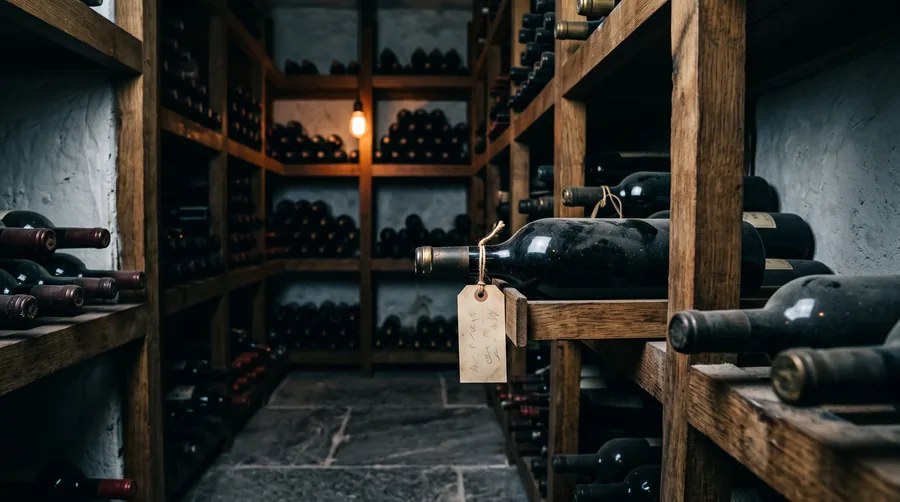
The most common mistake in starting a cellar is buying for the cellar rather than for the drinking. The result is two hundred bottles that all come good in the same four years, half of which get opened too early because nothing else is ready.
The shape of a cellar that works
A working cellar is a pipeline. Something to drink tonight, something to drink this year, something in the middle and a small amount that is genuinely being kept. The proportions matter more than the labels.
How a functioning cellar of 300 bottles divides
Most new cellars invert this and put sixty per cent into the long end, which is the expensive end, and then have nothing decent to open on a Tuesday. The everyday tier is not the boring part of a cellar. It is the part that determines whether you enjoy having one.
How many bottles, actually
The arithmetic is simple and nobody does it. Count the bottles the household opens in a normal week, multiply by fifty, and that is annual consumption. A cellar that lets you drink things at the right age needs roughly four times that, because a bottle bought today is opened in three or four years on average.
The conditions, ranked by how much they matter
What to buy first
Start with three producers you already know you like and buy six of each rather than one of eighteen. A cellar of singletons cannot teach you anything, because you never get to see how a wine changes. Six bottles opened over eight years is an education. Eighteen different bottles is a shop.
Then fill the everyday tier properly and unglamorously: good village wines, a case of something white and serious, a case of something to open without thinking. This tier does the work.
Storage, in three honest options
- A real cellar: a north-facing basement room, insulated, with no heating pipes through it. Costs almost nothing to run and is the best solution by a wide margin if the house has one.
- A purpose-built cabinet: excellent for up to 200 bottles, silent models exist, and the good ones hold temperature within a degree. The right answer for an apartment.
- Professional storage: 12 to 20 euro a case a year, perfect conditions, insured, and it keeps provenance intact for anything you might sell. The disadvantage is that wine you cannot see is wine you do not drink.
Use it now
Cellar Planner
How many bottles, in what proportions, at what budget.