Hotels
The first four minutes
Every great hotel does the same things on arrival, and they are all about removing decisions.
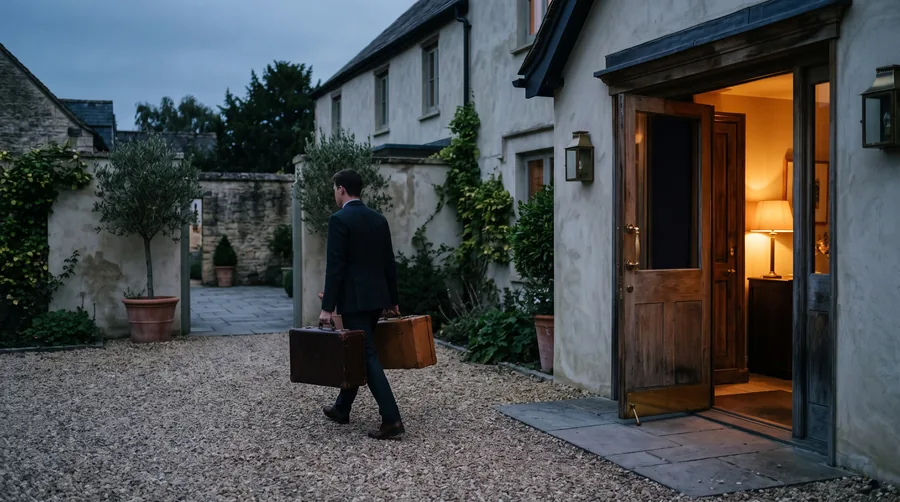
You can tell how the week will go before you have seen the room. Not from the lobby, not from the flowers, but from what happens in the four minutes between the car stopping and somebody handing you a key.
The sequence, in a place that knows what it is doing
What makes this possible is not staffing levels. It is that the property has decided arrival is a service rather than an administrative process, and has moved the administration somewhere else. Everything after that follows from the same decision.
The tells for a place that will disappoint
- A queue in sight of the bar. It means the front desk is the centre of the operation, which means every request will pass through a bottleneck.
- A form to complete on arrival. Everything on it was in the booking.
- A room tour that explains the lighting. If the switches need a legend, the room was designed for a photograph.
- A welcome drink that arrives twelve minutes later. It signals a kitchen that is not connected to the desk.
- Being asked twice for the same information by two different people.
What the room tells you in ninety seconds
Sit on the edge of the bed and reach. A light switch and a socket should be within arm's length, and the reading light should point at the book rather than at the wall. Then look at the desk, which in almost every hotel in the world is placed where the housekeeping trolley can reach it rather than where the light is.
Then run the shower and time how long it takes to get hot, and open the wardrobe and count the hangers. Nine or fewer means the room is designed for two nights, whatever the rate.
The upgrade, and how it actually happens
It is not about asking, and it is certainly not about mentioning an anniversary that is not happening. Book direct so the property owns the margin, arrive in the late afternoon when the day's picture is clear rather than at noon when it is not, stay more than two nights, and be pleasant to the person in front of you, who has discretion and uses it on the people who make their day easier.
That is the whole method, and it works in roughly one stay in three, which is a far better rate than anything else.