Design
The objects that hold value
Original production, documented, unrestored, with provenance. Miss any one of the four and the number halves.
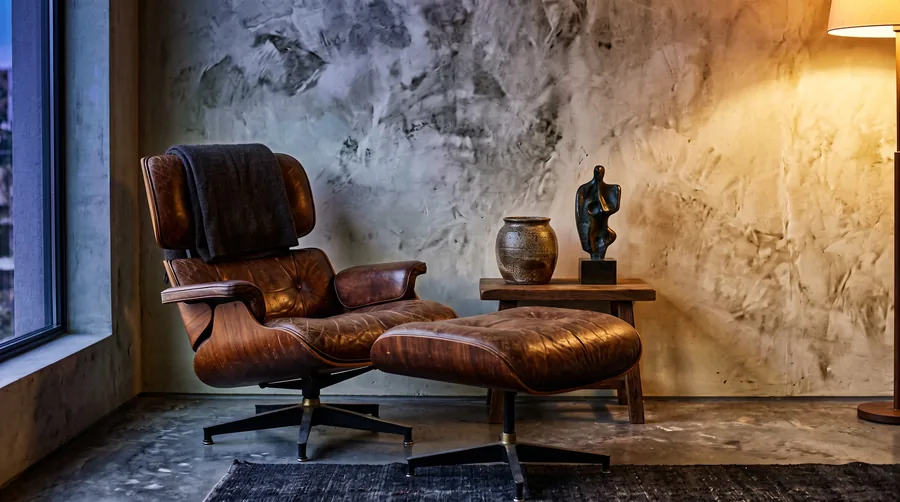
A 1955 lounge chair and a 2024 licensed reissue of the same design look nearly identical in a room and differ by a factor of eight at auction. Everything that explains the gap is documentation.
The four conditions
What actually holds
The categories that have held value across the last two decades share a quality: they were made in limited numbers by people who are dead, in materials that age visibly, and they are hard to fake convincingly.
- Mid-century pieces with a documented first production run, particularly where the maker changed hands later.
- Studio ceramics and glass with a signed and dated body, from makers with a museum record.
- Lighting from the great Italian houses of the sixties and seventies with original wiring and labels.
- Anything designed for a specific building and made in a run under fifty.
- Vintage textiles and rugs in unrestored condition with the original selvedge intact.
What does not hold: reissues of any kind, anything produced continuously since it was designed, pieces restored to look new, and anything bought from an interior designer with a markup, which starts underwater by a third.
Restoration, and the line
The rule collectors use is that restoration should be reversible and declared. Reupholstering over the original webbing is fine, replacing the frame is not. Rewiring a lamp for safety is expected, replacing the diffuser is a material change. Cleaning bronze is neutral, polishing it back to bright removes fifty years and a great deal of money.
When in doubt, the question is what a future buyer would want to have the option of undoing. If the answer is what you are about to do, do not do it.